
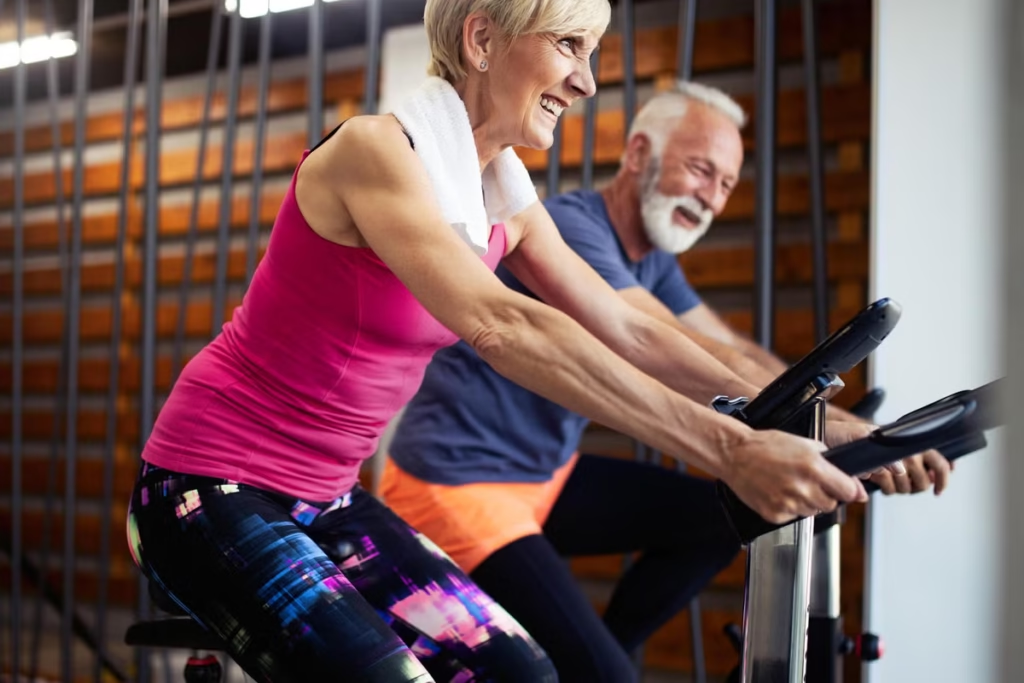
Staying active and independent in later life.
Generally, people lose about 1% of their lean muscle mass per year after the age of 40 leading to a decrease in strength and power. On average, people lose about 30% of their strength between the ages 50-70, and another 30% of what’s left per decade after that.
But it is important to remember that it is not the aging process in and of itself that causes the decline in strength but the lack of muscle use.
Everyday movement can start to feel harder with age. Stairs take more effort, balance feels less certain, stiffness shows up in small tasks. Senior personal training is one-to-one, gentle and joint-friendly, focused on real life so you can keep doing what you love.
We pace sessions to your health, medications and energy, especially after illness or surgery, and we weave in balance work so you feel steady and safe.
Strength Training: The Anti-Aging Secret
Without question, the most powerful solution we have at our disposal in our battle with Father Time is strength training. The results we need to age successfully are all about the pursuit and production of increased strength.
If individuals stress their muscles and remain active as they age, the loss of physical capabilities and independence could be thwarted. Regular physical activity is a good strategy to attenuate age-related decay of muscle structure and function. But this activity must be at a higher intensity level than most of the aging population train at.
Your personal training plan
If stairs feel taller or you’re rebuilding confidence after a wobble or surgery, we meet you where you are. Sessions are one-to-one, unhurried and paced to your health, medications and energy that day. We keep things simple and clear.
We focus on real life. That means building everyday strength to get up from a chair and take the stairs, easing stiffness so dressing and reaching feel easier, improving balance for steadier steps, and adding gentle cardio so walks feel comfortable rather than draining.
Our 1:1 exercise programme video:
Training with us will help with the following:
Muscle Stength & Power:
Exercise is essential for maintaining bone density in adults over 60, helping to reduce the risk of osteoporosis and fractures. Weight-bearing and resistance exercises, such as walking, strength training, and bodyweight movements, stimulate bone growth and slow age-related bone loss. Maintaining strong bones is crucial for supporting mobility, balance, and independence, and it also helps prevent serious injuries from falls. Regular, targeted exercise not only preserves skeletal health but also contributes to overall strength, stability, and confidence in daily activities.
Bone Strength:
Exercise is essential for maintaining bone density in adults over 60, helping to reduce the risk of osteoporosis and fractures. Weight-bearing and resistance exercises, such as walking, strength training, and bodyweight movements, stimulate bone growth and slow age-related bone loss. Maintaining strong bones is crucial for supporting mobility, balance, and independence, and it also helps prevent serious injuries from falls. Regular, targeted exercise not only preserves skeletal health but also contributes to overall strength, stability, and confidence in daily activities.
Balance & Coordination
Exercise is key for improving balance and coordination in adults over 60, helping to prevent falls and maintain independence. Targeted activities such as strength training, balance exercises, and functional movement drills enhance muscle control, joint stability, and body awareness. Improved balance and coordination make everyday activities like walking, climbing stairs, or reaching for objects safer and more manageable. By incorporating regular exercise, older adults can reduce their risk of injury, boost confidence in movement, and maintain an active, healthy lifestyle.
Joint Mobility & Flexibility
Exercise plays a vital role in maintaining joint mobility and flexibility in adults over 60, helping to preserve range of motion and reduce stiffness. Gentle stretching, strength training, and mobility-focused exercises keep the muscles and connective tissues around the joints strong and supple, supporting smooth, pain-free movement. Maintaining flexibility is important for performing everyday activities like reaching, bending, and walking safely and comfortably. Regular exercise also helps prevent injuries, improves posture, and enhances overall quality of life, allowing older adults to stay active and independent for longer.
Cardiovascular Health
Exercise is essential for supporting cardiovascular health in adults over 60, helping to strengthen the heart, improve circulation, and maintain healthy blood pressure and cholesterol levels. Activities such as walking, cycling, swimming, or low-impact aerobic exercises increase heart and lung efficiency, boost energy, and reduce the risk of heart disease and stroke. Maintaining cardiovascular fitness is important for overall health, independence, and the ability to perform daily activities with ease. Regular exercise also supports weight management, mental well-being, and long-term vitality, contributing to a healthier, more active lifestyle.
Cognitive Function & Mood
Exercise plays a crucial role in supporting cognitive function and mental well-being in adults over 60. Regular physical activity increases blood flow to the brain, stimulating neural connections and helping to maintain memory, focus, and overall mental sharpness. Studies show that consistent exercise can lower the risk of dementia and age-related cognitive decline, while also reducing symptoms of anxiety and depression. Staying active boosts mood, energy, and confidence, supporting independence and a higher quality of life. By combining physical and mental benefits, exercise helps older adults stay both physically and mentally resilient as they age.