
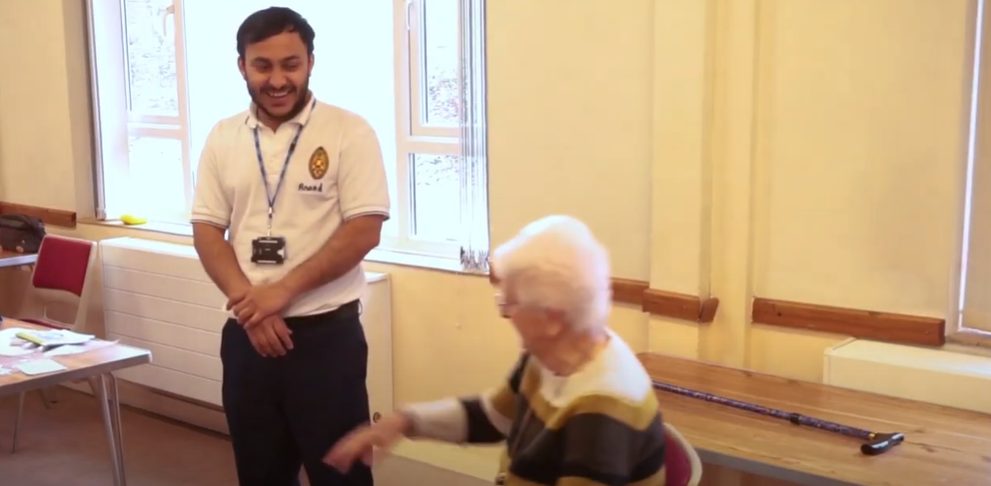
Fall Facts
- 1 in 3 adults 65 or over fall
- 1 in 2 adults 80 or over fall
- Number 1 reason for A & E visit in the UK
- Fragility Fractures account for £4.4billion per year.
Risk factors for falls
Falls are usually caused by an interaction of a number of risk factors. The more risk factors you have, the greater your risk of falling. Falls prevention is about recognising, and where possible, taking action to reduce the risk.
If you experience any, or a combination, of the following you could be at an increased risk:
- weak muscles, especially in the legs
- poor balance, causing unsteadiness on your feet
- dizziness or light-headedness
- black outs, fainting or loss of consciousness
- foot problems – including pain and deformities
- memory loss, confusion or difficulties with thinking or problem solving
- vision and hearing problems
- taking medication that makes you dizzy or drowsy
- drinking too much alcohol, especially with medication
- some bladder or bowel conditions
Our Success Story:
Our programme includes:
- Comprehensive Assessment: A thorough evaluation to identify your falls risk factors, including strength, balance, gait and medication review.
- Personalised Exercise Programme: Tailored exercises and activities to improve strength, balance, and coordination, based on your assessment findings and goals.
- Gait and Balance Training: Techniques and exercises to enhance your stability and confidence in walking and standing.
- Education and Awareness: Information on falls risk factors, strategies for prevention, and tips for managing falls-related anxiety.
- Follow-Up Support: Regular check-ins and adjustments to your programme to ensure continued progress and address any new concerns
Our tips to help you prevent your falls risk
- Keep as active as you possibly can
- Wear shoes with non-slip soles
- Use night lights in your bedroom, hallway, and bathrooms
- Do your physiotherapy exercises on a regular basis
- Use a suitable walking aid if needed
- Adapt your home environment according to the advice from your physiotherapist
- Know how to cope in the event that a fall does happen